Most dangerous trees do not become dangerous overnight. Long before a branch falls, a trunk splits, or a tree comes down in a storm, there are usually warning signs. The problem is that most homeowners do not always know what those signs mean until damage has already happened.
A tree can still look beautiful from the ground. It can still have leaves. It can still provide shade, privacy, and character for your property. But underneath the surface, it may already be weakened by age, decay, storm damage, insects, disease, or structural stress.
That is why paying attention early matters. When a tree is close to your home, garage, driveway, deck, pool, or neighbouring property, waiting too long can turn a manageable concern into an emergency.
Why Tree Problems Are Easy to Miss
Most people are not ignoring a dangerous tree on purpose. They simply do not know what to look for.
A dead branch may not seem urgent. A slight lean may look harmless. A crack in the trunk may be easy to overlook. A tree that drops limbs every season may be treated as a normal part of owning a property with mature trees.
But trees often reveal stress slowly. By the time the danger becomes obvious, the safest and simplest options may already be gone.
A Healthy-Looking Tree Can Still Be Unsafe
One of the biggest misconceptions homeowners have is that a tree is safe because it still looks alive. Leaves are a sign of life, but they are not always a sign of strength.
Internal decay, root damage, weak branch attachments, hollow sections, and storm-related stress can all affect the structure of a tree long before it appears dead. A tree can look green and still be unstable where it matters most.
This is especially important in Niagara, where strong winds, heavy rain, ice, and seasonal weather changes can put extra pressure on trees that are already weakened.
Warning Signs You Should Not Ignore
If you are concerned about a tree on your property, there are several signs worth taking seriously:
- Dead or hanging branches
- A tree leaning more than it used to
- Large cracks or splits in the trunk
- Branches hanging over your roof, deck, driveway, or pool
- Mushrooms, soft wood, or visible decay near the base
- Missing bark or hollow areas
- Storm damage that has not been assessed
- Branches dropping more often than normal
- Roots lifting, cracking, or shifting around the base
Not every warning sign means the tree must be removed. Sometimes pruning, trimming, or careful maintenance may be enough. But these signs should not be ignored, especially when people, buildings, vehicles, or neighbouring properties are nearby.
Storm Damage Can Make an Existing Problem Worse
Storms do not always create tree problems from nothing. More often, they expose weakness that was already there.
A branch that was already cracked may break loose. A tree with weakened roots may begin to lean. A damaged limb may partially split and remain hanging in the canopy, creating a serious hazard above the yard, driveway, or home.
After a major storm, the most dangerous tree damage is not always the damage you can easily see from the ground. That is why it is wise to have questionable trees looked at before the next storm arrives.
Why Trees Near Structures Require Extra Care
A mature tree in an open space is one thing. A mature tree close to a house is another.
When a tree is hanging over a roof, growing beside a garage, leaning toward a neighbour’s property, or standing close to utility areas, the consequences of failure are much greater. Even one large limb can cause expensive damage and create a serious safety risk.
In these situations, professional experience matters. High-risk tree work requires careful planning, proper equipment, and a clear understanding of how each cut affects the weight, balance, and movement of the tree.
Waiting Can Turn a Tree Concern Into an Emergency
Many homeowners wait because they are unsure. They hope the tree will make it through one more season. They put it off because the problem does not seem urgent yet.
But when a weakened tree finally fails, the timing is rarely convenient. It may happen during high winds, overnight, while vehicles are parked nearby, or when family members are using the yard.
Emergency tree work is often more stressful, more complicated, and more urgent than preventative tree care. Acting early can give you more control over the situation and help protect your property before damage occurs.
Protecting Your Property Starts With a Professional Opinion
If something about a tree does not look right, it is worth having it assessed. You do not need to know the exact problem before calling. You only need to recognize that something has changed or that the tree is making you uncomfortable.
A professional tree service can help determine whether the tree needs trimming, pruning, maintenance, or removal. The goal is not always to remove the tree. The goal is to make the safest and most responsible decision for your property.
Trusted Tree Service in Niagara Since 1988
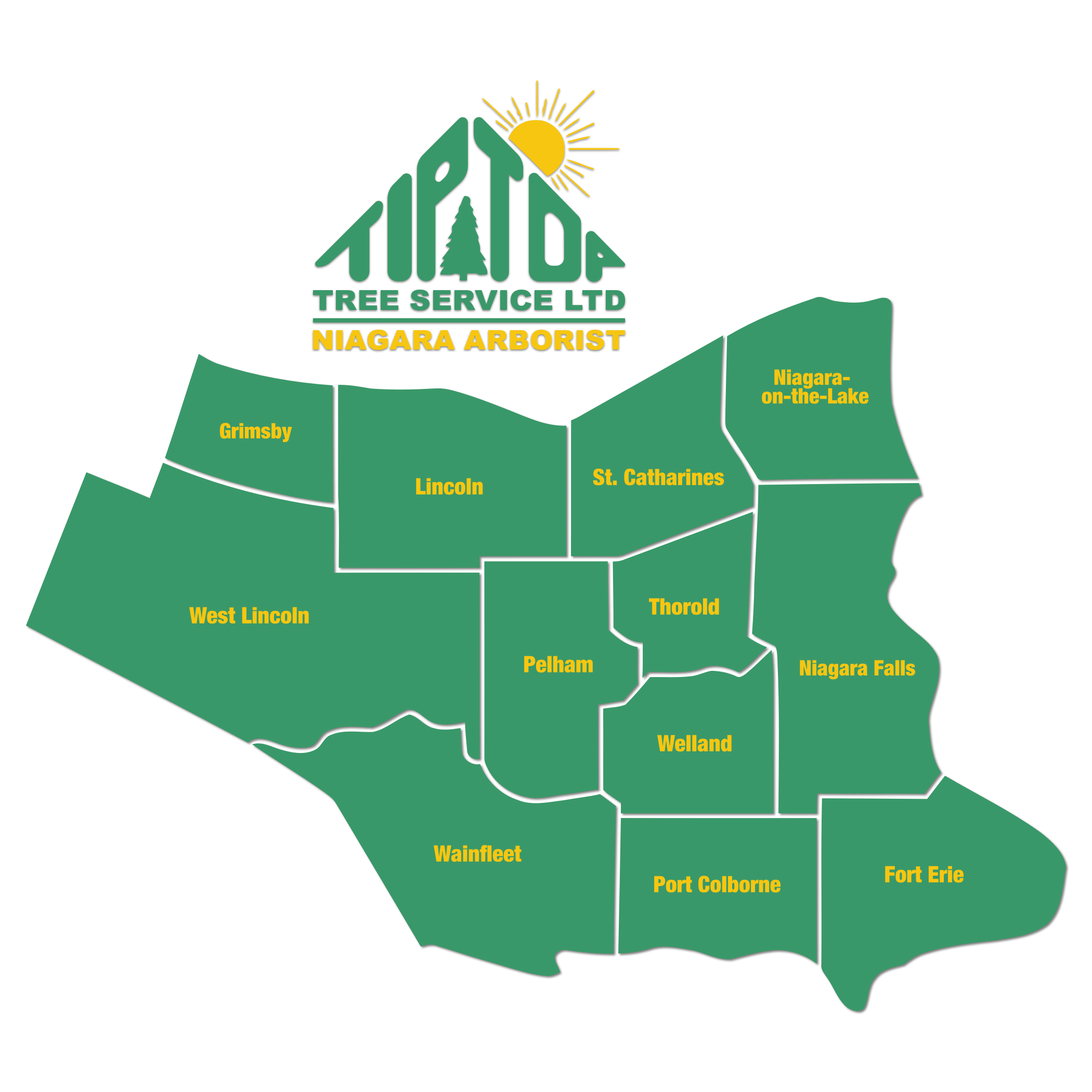
Tip Top Tree Service Ltd. has been helping residential and commercial property owners throughout the Niagara Region since 1988. From year-round tree services to high-risk tree removal and emergency tree service, our team understands how to handle dangerous tree situations safely and professionally.
If you have a tree that is leaning, cracked, damaged, overgrown, or making you nervous, do not wait for the next storm to decide for you.
Request your free estimate today and let Tip Top Tree Service Ltd. help you protect your property before a tree problem becomes an emergency.